
Spring-time brings a rise in pet toxins
National Pet Poison Awareness Month in March highlights the increased seasonal risks facing pets.
Spring is a gorgeous time to get outside with your dog, longer walks, fresh air, and new smells everywhere. But it’s also one of the riskiest seasons for toxin exposure, because so many ‘normal’ springtime products can be dangerous to curious dogs.
- One of the biggest spring hazards is lawn and garden chemicals. Fertilisers, weed killers, slug bait, and insecticides can cause vomiting, diarrhoea, tremors, seizures, or worse if ingested. Even if a product is labelled ‘pet-friendly’, it’s safest to keep dogs off treated areas until fully dry and follow all label instructions.
- Spring plants are another concern. Bulbs like tulips, daffodils, and hyacinths can cause serious stomach upset, drooling, and lethargy especially if your dog digs them up. Some spring flowers can be toxic even in small amounts, so it’s worth checking new plants before adding them to your garden.
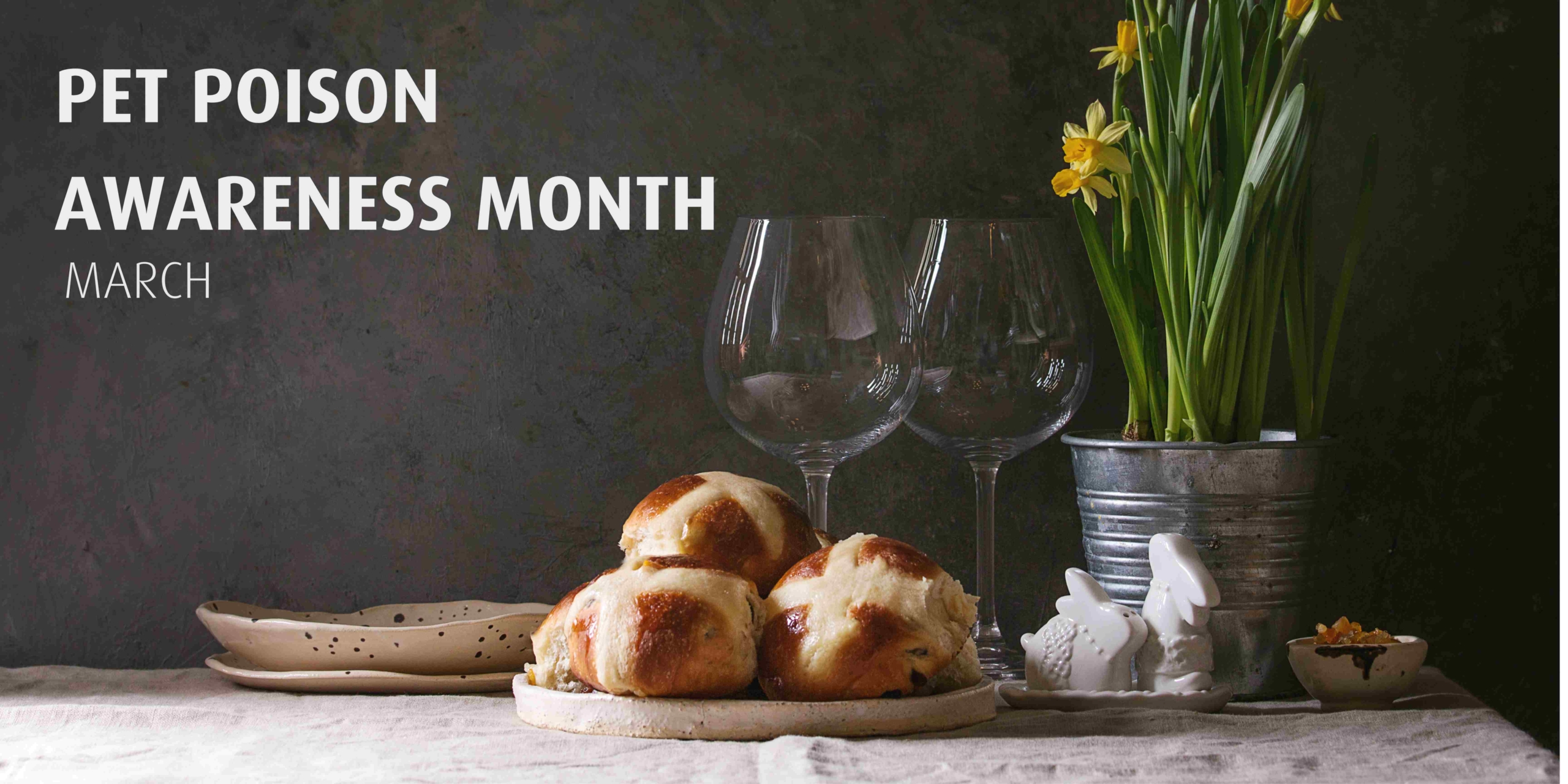
- Easter can be a risky time for dogs with an abundance of chocolate in the house. Chocolate is one of the most common toxins for dogs, and dark chocolate is especially dangerous. It can trigger vomiting, hyperactivity, a racing heart, tremors, and seizures. Raisins (and grapes) are also toxic to dogs so keep your dogs away from Easter treats like hot cross buns.
- Warmer weather also brings risks. Dogs may try to eat bees, wasps or other insects, which can lead to stings or allergic reactions. Standing water can harbour bacteria and algae, and certain blue-green algae blooms can be fatal.
Always contact your veterinary practice immediately if you are concerned your dog may have been in contact with or ingested something toxic. Or speak to your veterinary practice about how Charcopet, activated charcoal for pets, can help with the management of pet toxins.
Enjoy the Spring season and Easter break but please be aware of the seasonal risks for your dog.
Written by Dr. Anna Lovell BVSc CertGP (SAP) MRCVS


